
From Defeat the Streets: Making Philanthropy Personal, One Story at a Time
Some stories unfold quietly, almost invisibly, until one day you realize they have reshaped two lives—and, eventually, an entire community. That is the story of Elijah Bedoya and Manny Rodriguez-Vasquez, two students at John Jay College whose paths crossed through the My Brother’s Keeper (MBK) program.
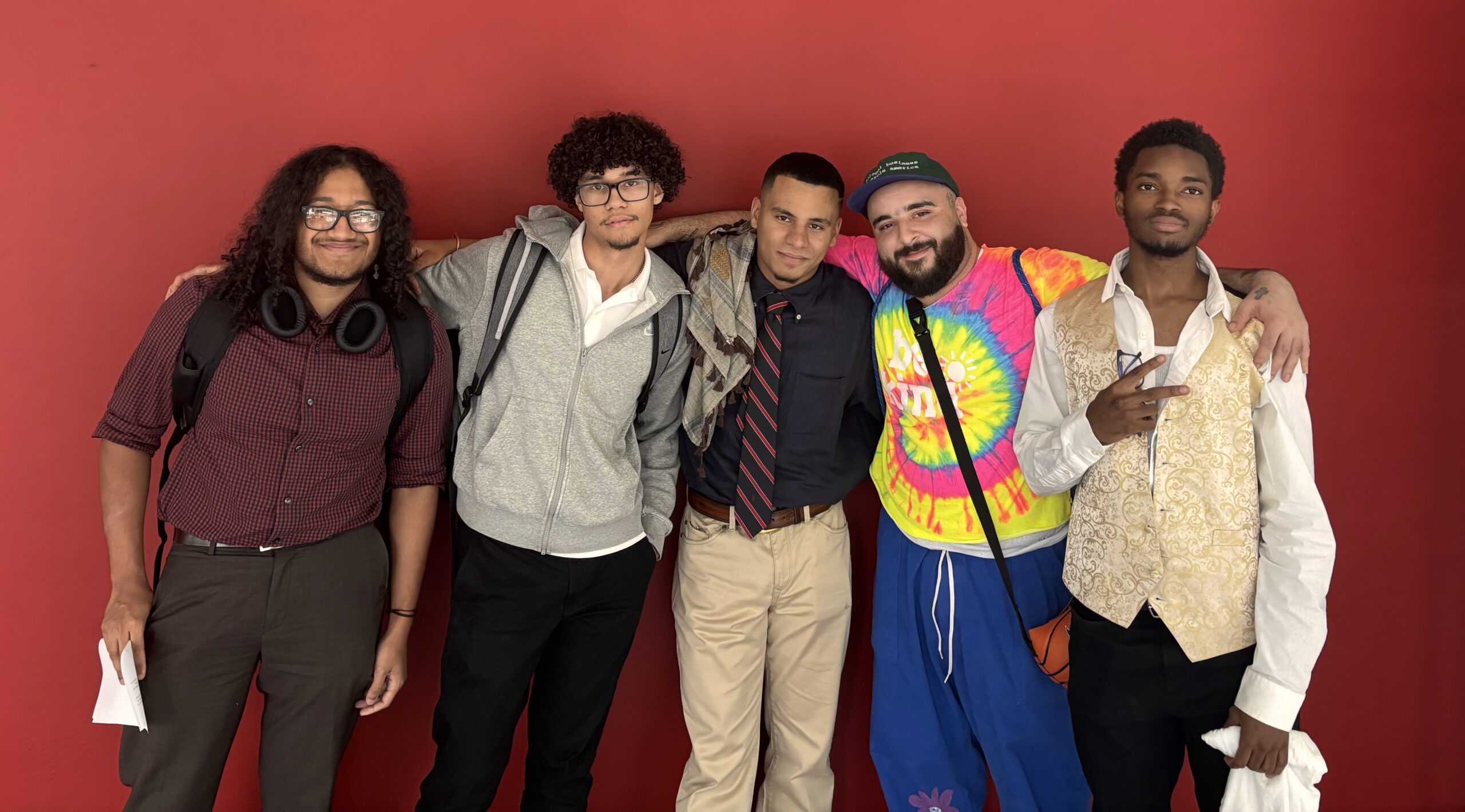
Their Impact Chat—hosted by fellow DTS youth board member Jair Reyes—became a powerful testament to why mentorship matters, why representation matters, and why showing up for one another is philanthropy in action.
From Fear to Belonging: Elijah’s First Day
When Elijah walked into John Jay for the first time, he was terrified. Manhattan felt overwhelming, college felt impossible, and he felt—by his own words—like a tourist in his own city.
But something shifted the moment he saw Manny, one of the mentors leading his orientation group.
“A little part of me relaxed,” Elijah recalls.
“Seeing someone with my background made me feel like I might belong here after all.”
Representation didn’t just matter.
It changed the trajectory of his entire year.
Manny didn’t know it yet, but his presence alone had already opened a door.
Meeting the Mentor Who Would Change His Life
Elijah remembers being shy—borderline silent. But Manny, using both training and instinct, made sure every mentee felt seen. He asked questions, built trust, and most importantly, created connection across the group, not just between himself and each student.
Manny laughs looking back:
“I thought I wouldn’t vibe with him at all. He was really quiet. But by week two? He was part of every conversation.”
The turning point came when Elijah vulnerably shared part of his medical history with the group. That moment revealed a depth of compassion that Manny immediately recognized.
“I saw myself in Elijah,” Manny says.
“That ability to empathize through your own suffering—that’s something I learned to value.”
Manny’s Path to Becoming the Mentor He Needed
What makes this relationship even more profound is the journey that brought Manny to MBK in the first place.
Before becoming a peer mentor, Manny endured one of the most painful semesters of his life—the death of his grandmother, academic pressure, and battles with professors who refused to grant him the accommodations he desperately needed.
He remembers walking into the MBK office, hiding everything behind a perfect poker face—until someone finally asked him what was wrong.
And he broke.
“That was the moment I knew I wanted to be part of this space,” he says.
“MBK held me together when I was falling apart.”
He not only survived his midterms—he aced them. And he vowed to help other young men navigate college with the safety and support he once lacked.
The Blind Leading the Blind… Until They Weren’t
One of the most touching revelations in the chat was this:
Elijah thought he was the only one nervous.
Manny—confident, charismatic, expressive Manny—felt the exact same way.
“I was intimidated,” he admits.
“What if they didn’t like me? What if I was too much?”
But intention trumped fear. He showed up anyway. Every day.
And little by little, Elijah found his voice, his footing, and his community.
Philanthropy, Redefined
What happened between Elijah and Manny is what DTS champions every day:
Philanthropy is not just giving money.
It is giving presence.
Giving time.
Giving belief.
Elijah says it best:
“I’d love to be a mentor one day. Manny showed me what that looks like.
I want to pay it forward.”
That is the cycle.
That is the culture of care.
That is how communities transform from the inside out.
Why Programs Like MBK Matter
Both Manny and Elijah credit MBK with accelerating their confidence, their friendships, and their understanding of themselves.
Without it, Elijah believes he would still be searching for connection.
Manny believes he would not have become the leader he is today.
Manny summed it up with clarity:
“Men of color need spaces where they can talk about their struggles openly.
Programs like this build community—and community saves people.”
Where Their Story Goes Next
Today, Elijah and Manny remain close—mentor and mentee, yes, but also peers, collaborators, and members of the Defeat the Streets Youth Advisory Board, helping to shape programs that will support thousands of young people nationwide.
Elijah still arrives on campus with his guitar.
Manny still teases him about the day he’ll perform Piano Man for the whole MBK cohort.
Both of them still carry the quiet pride of knowing they changed each other’s lives.
And now, they are helping us change others.
The Heart of the Matter
This Impact Chat wasn’t just a conversation.
It was a reminder:
Lives don’t change in isolation.
They change because someone shows up.
Because a community invests.
Because a single connection becomes a lifeline.
And that is why Defeat the Streets exists—to help create more moments exactly like this one.